Column · Director General
The cook who opened a new direction in art
For all his modesty, and for how little the world knows of him, Benjamin Zobel was a singular man — in truth, a genius. He was born and raised in a family of makers: his grandfather was a free artist, his father a cook who kept his own bakery. Most of the boy's hours went to the bakery, to feed and help the family; whatever was left of the day he spent painting beside his grandfather. In his own way he joined cooking and painting together — and, without knowing it, opened a new direction in art.
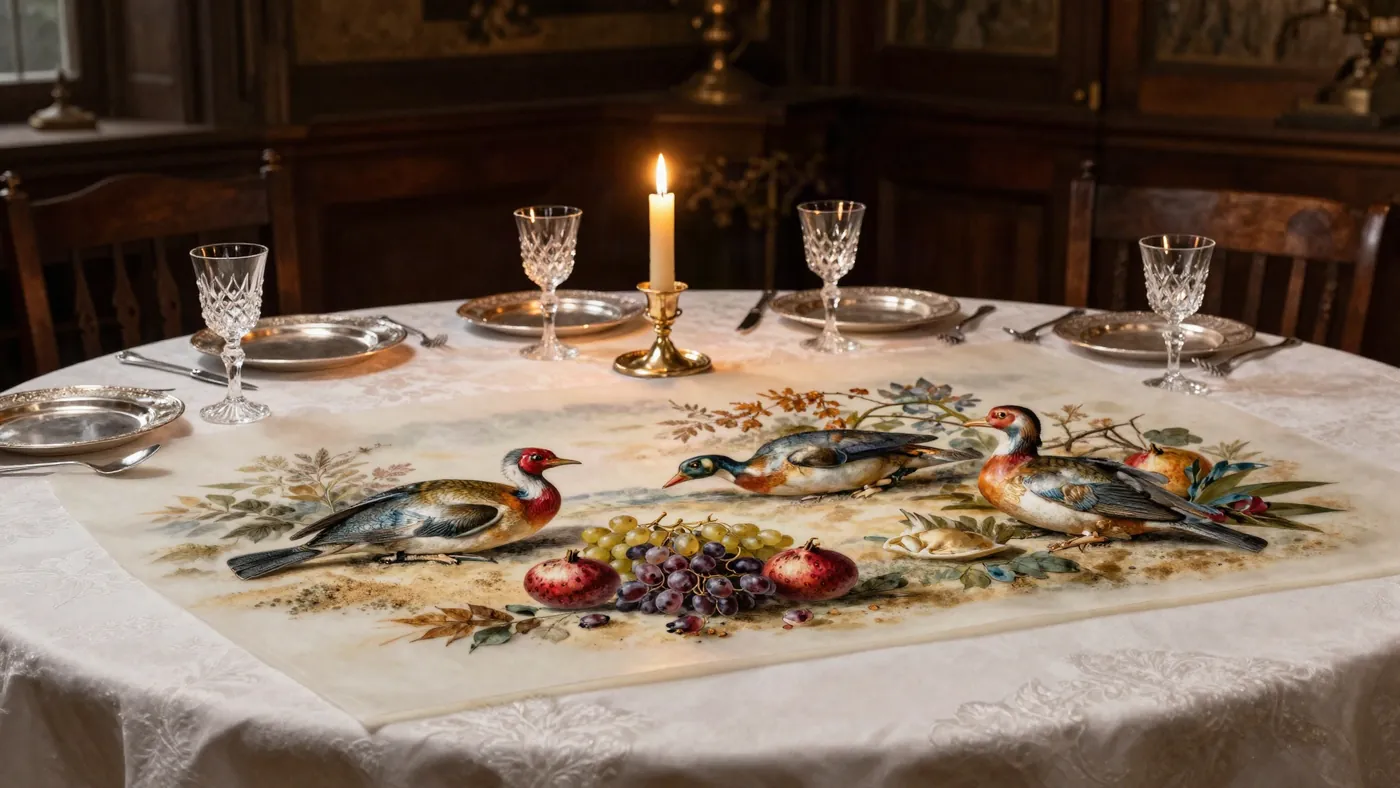
Competing for the right to cook at the royal court, he drew the very dishes he had prepared on a snow-white tablecloth — using sugar heated to different degrees to obtain his palette — and covered the cloth with glass. Meat, fish, fowl and fruit were beautifully rendered, and the plates of food were set upon them.
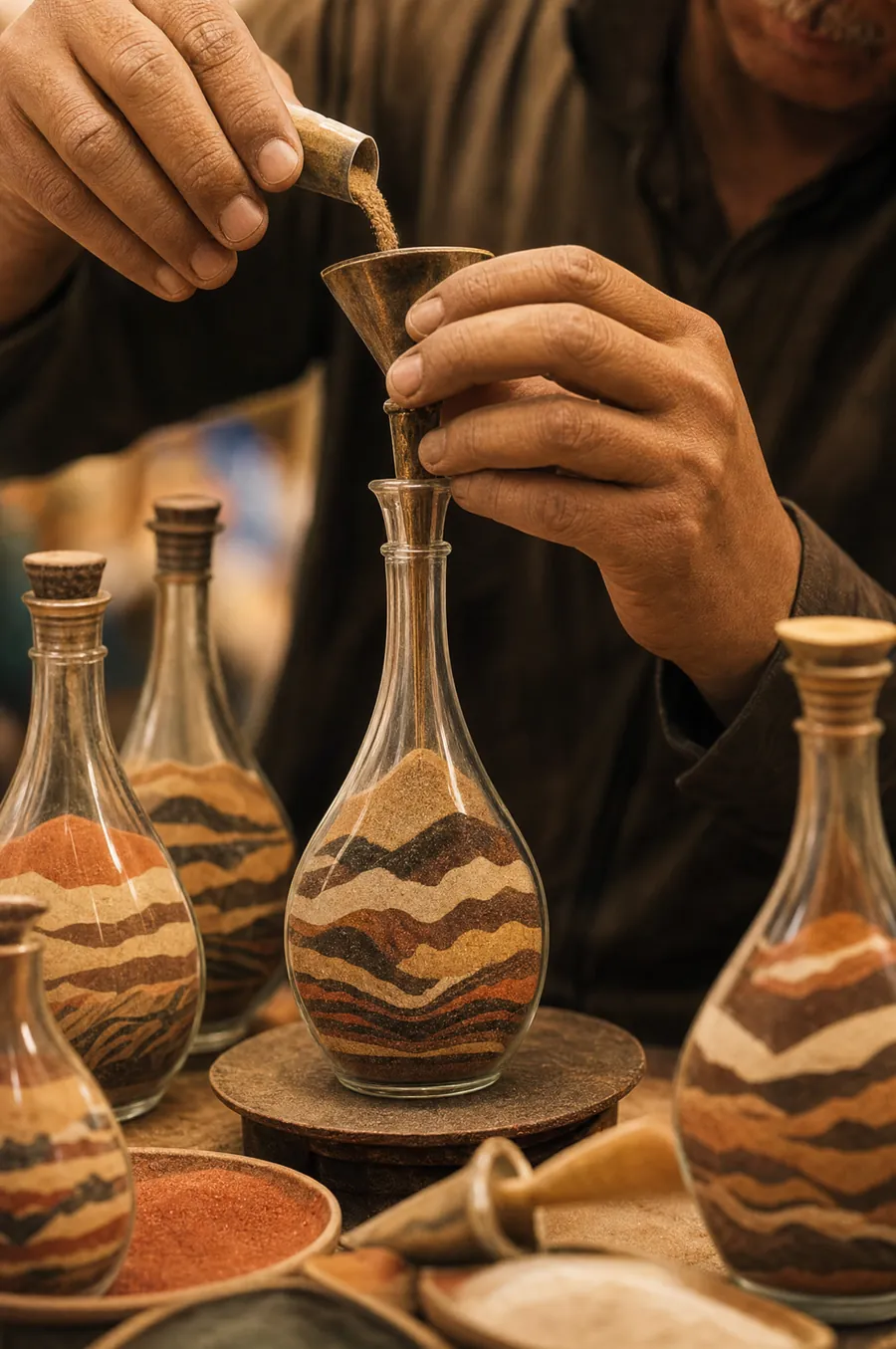
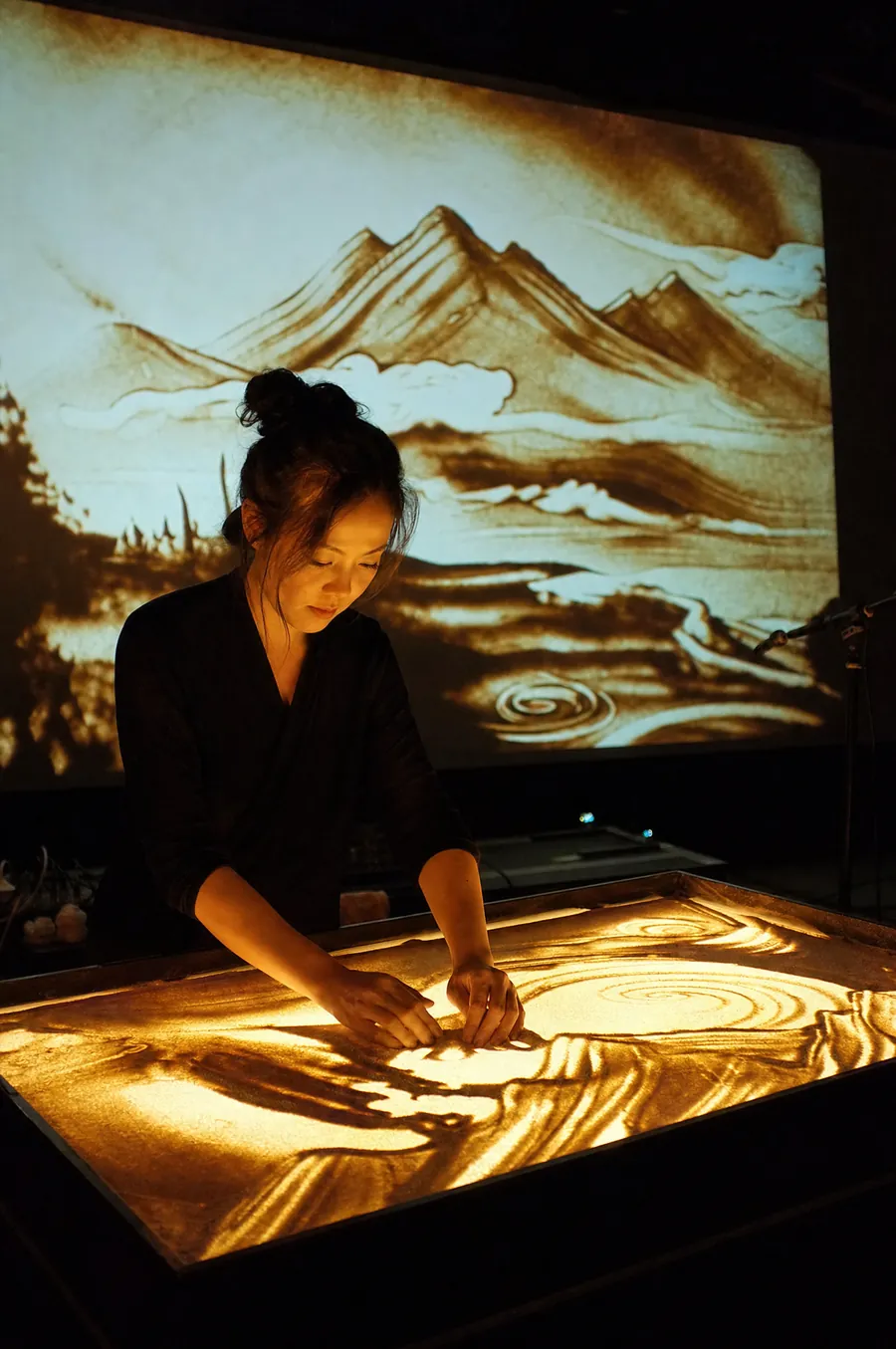
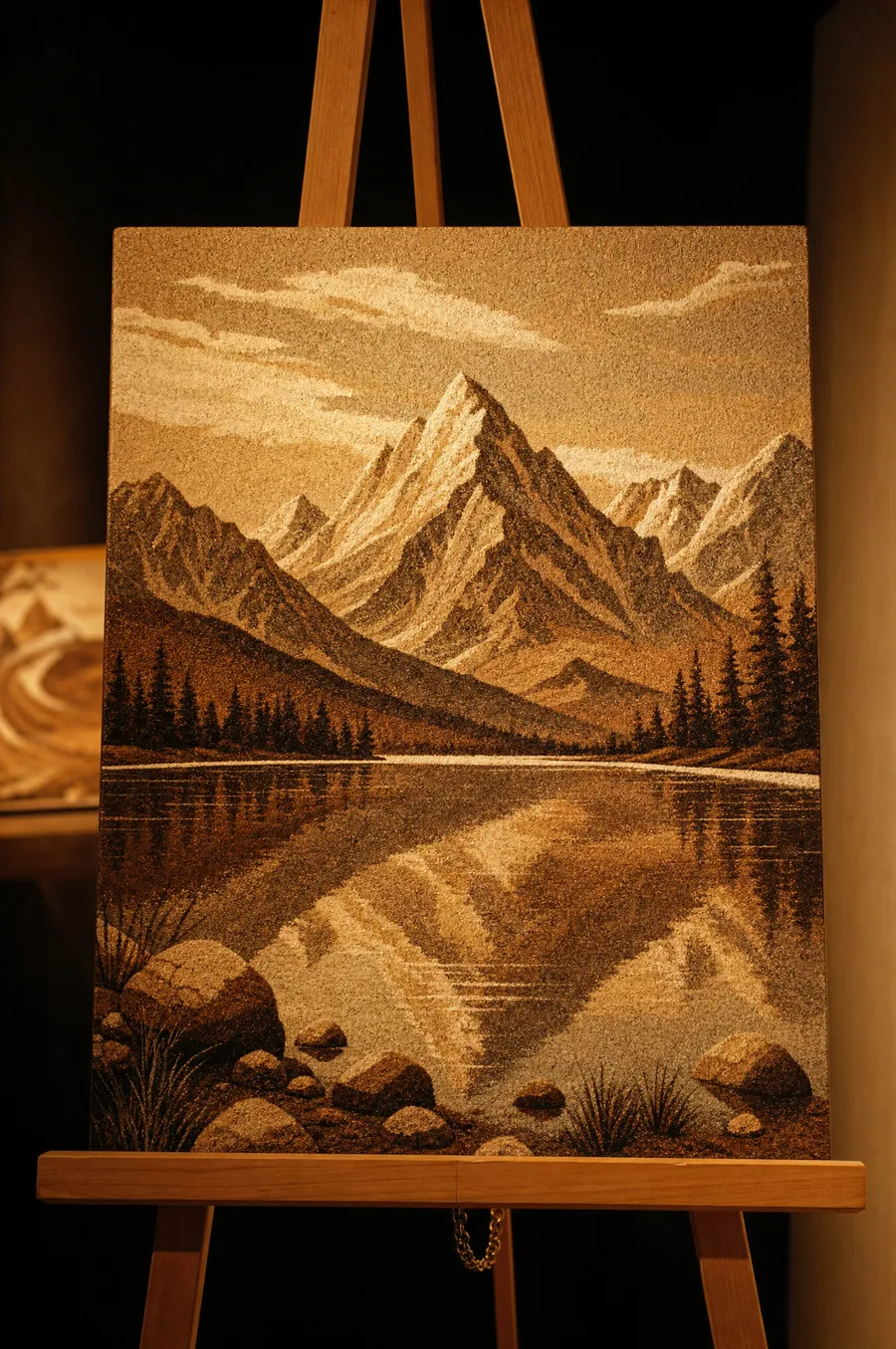
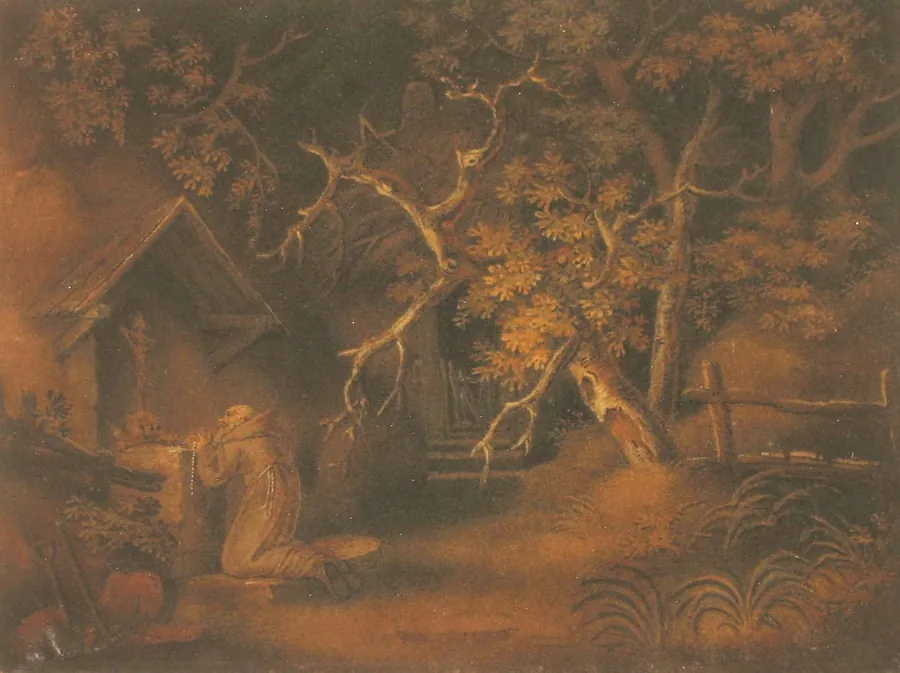
Perhaps it was from that day that Benjamin Zobel stopped being a cook and became the master of a new direction in painting. Marmotinto — the origin of the word is unknown, but it is the style of static sand pictures. His sand painting of sheep, made in 1826 and kept in a museum in Germany, turns two hundred years old this October — the same month his name is handed out as a prize.
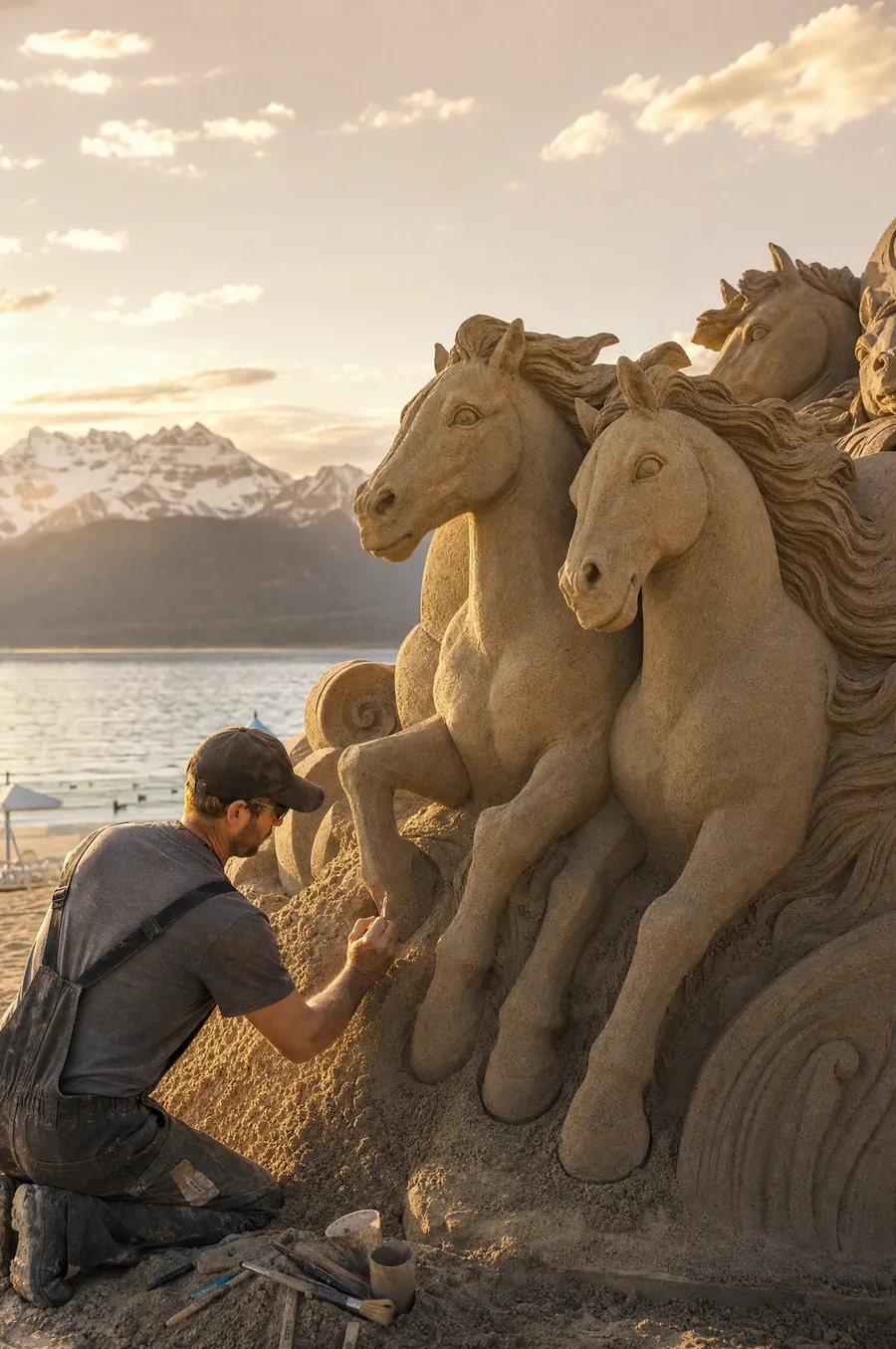
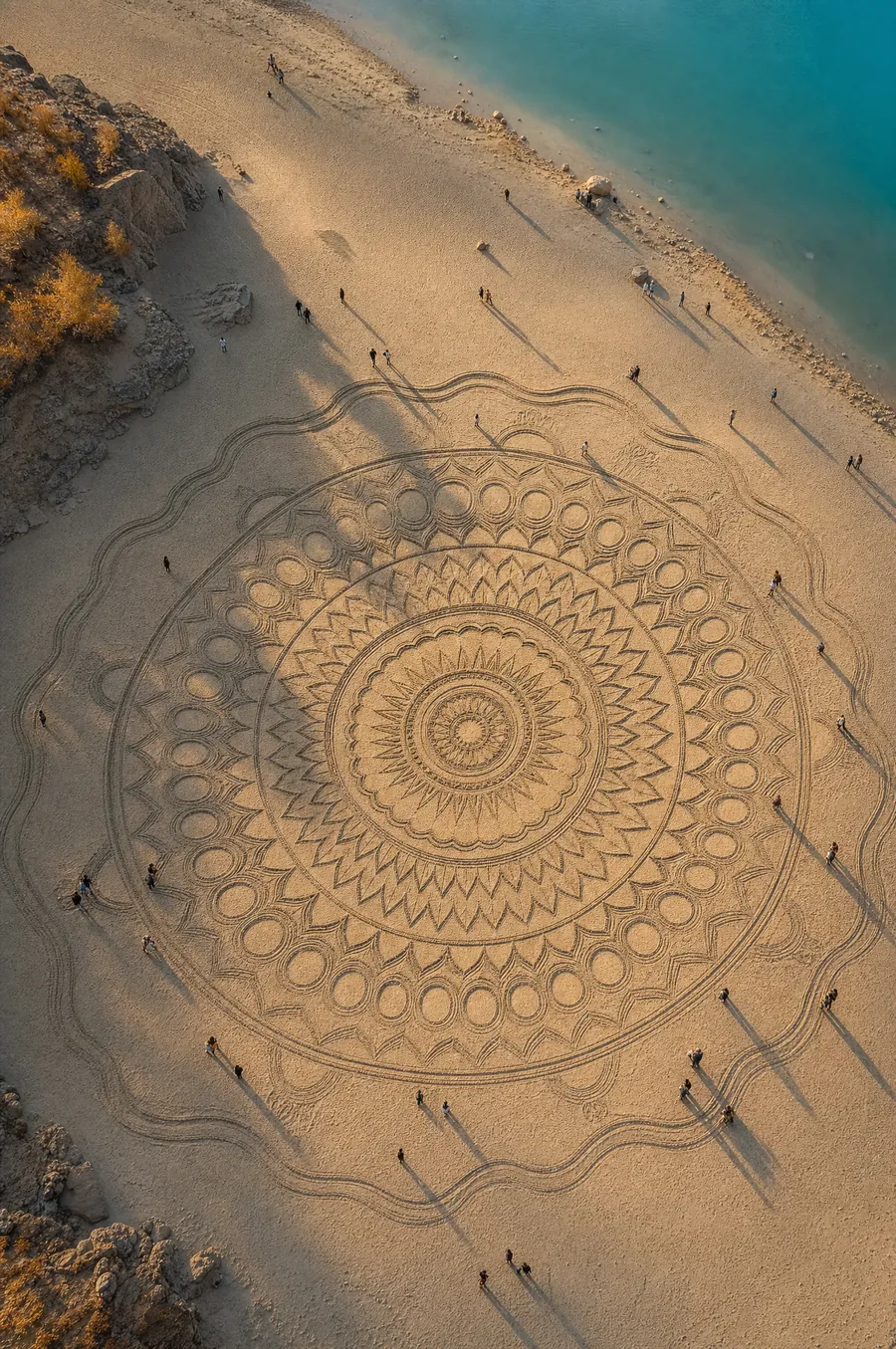
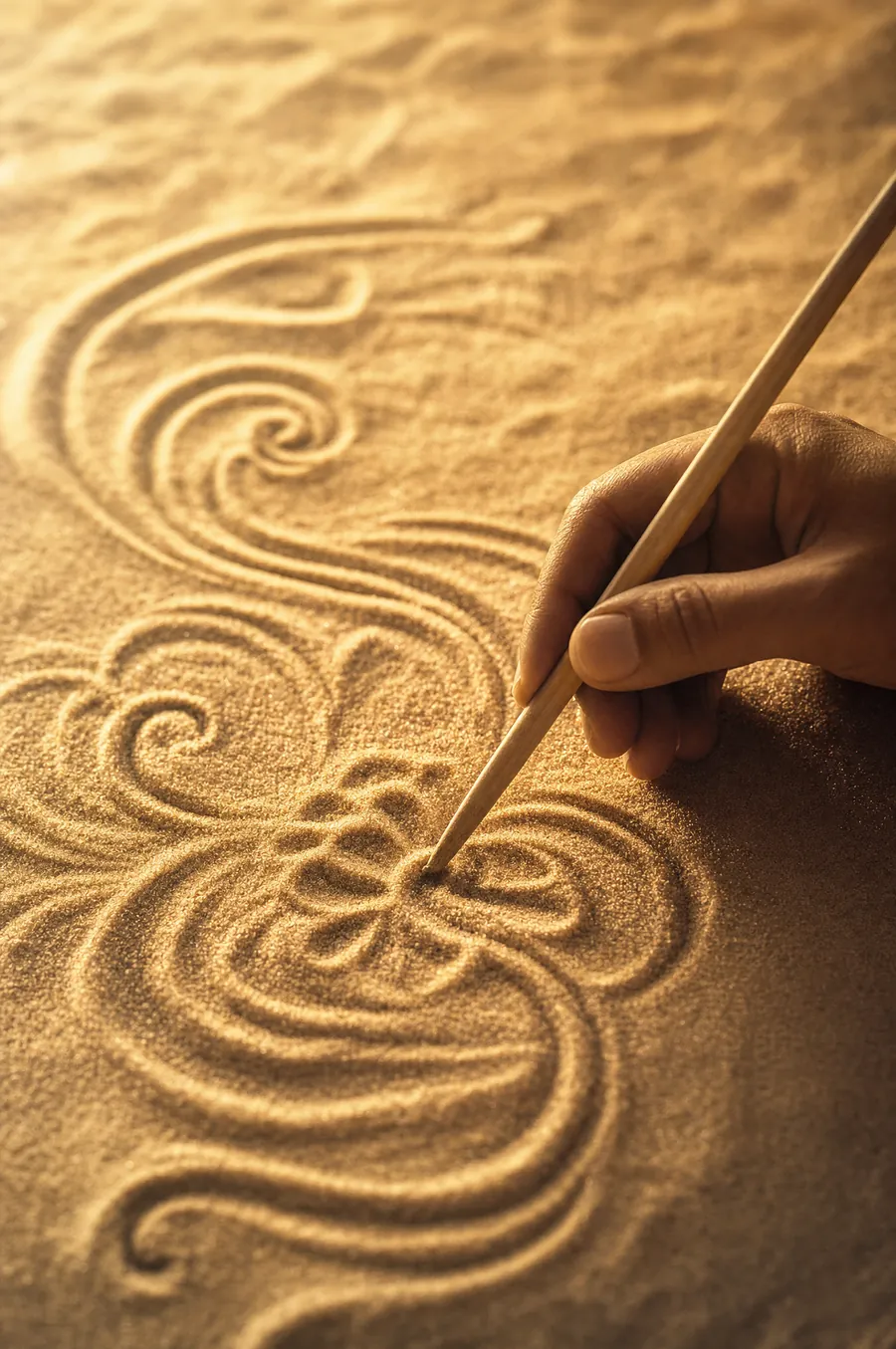
In truth, sand painting is where leisure begins, and it is primordial. The first children on earth drew on sand with a finger or a stick. And if it comes to that — in every courtyard of every city in the world there is a sandbox.
The World Academy of Sand Painting is a foundation and a recognition. It is culture, art, healthcare, education, leisure. The creation of the Union of Sand Painting Artists and the establishment of the highest award — the Zobel Prize — is a revolution in a new direction of art. Good luck on the road, friends!
KT
Kamchybek TilepergenovDirector General · World Academy of Sand Painting